Arcade Cabinet
A full-size custom arcade cabinet built from MDF, powered by a Raspberry Pi 5 running RetroPie. The cabinet features a custom Arduino-based coin mechanism, RGB lighting controlled by the game state, custom arcade controls and an integrated audio system.
Status: Completed
Started: 2025
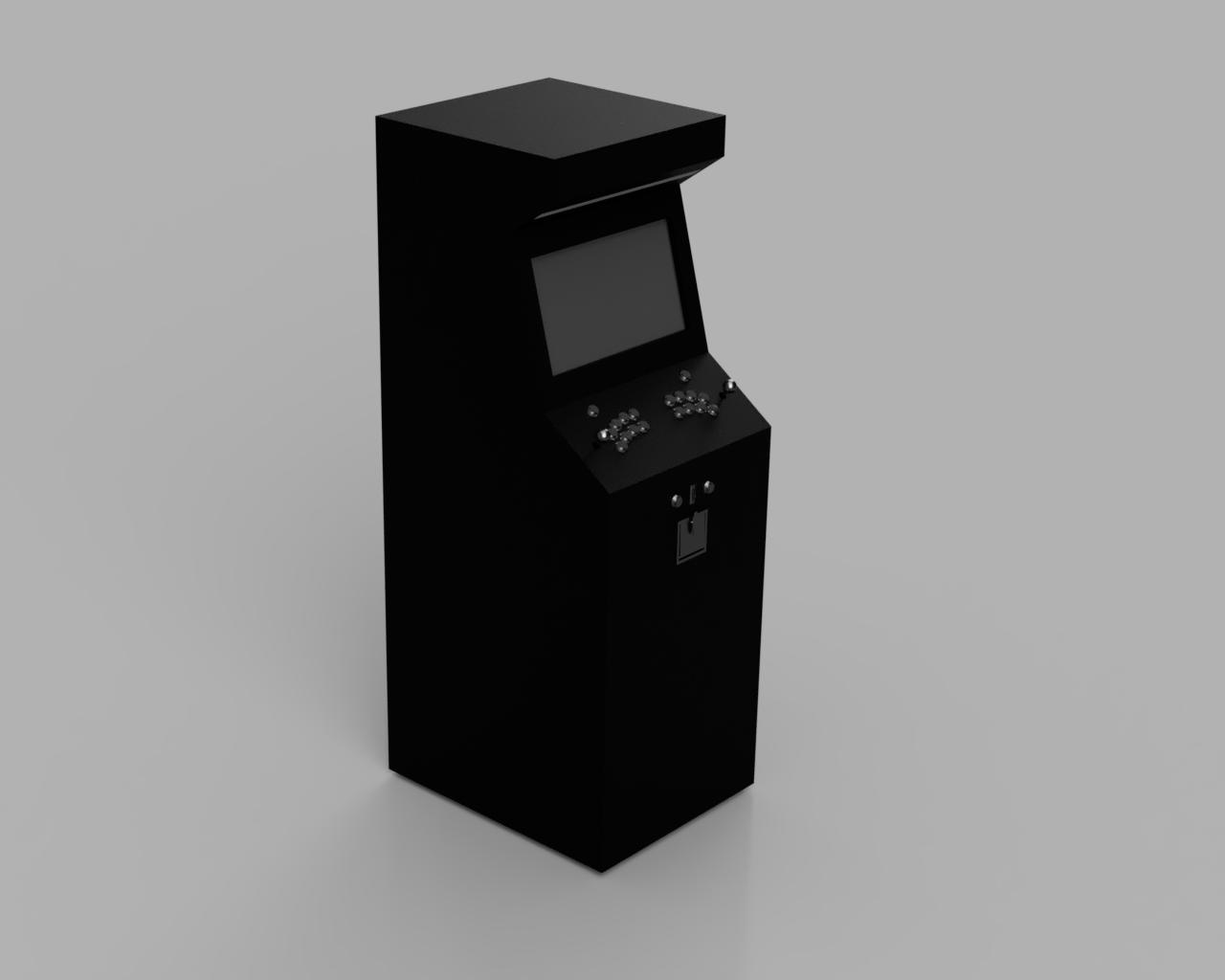
Overview
This project started with the idea of building a full-size arcade cabinet rather than buying a commercial machine.
The cabinet is approximately 1.9 m tall and is constructed primarily from MDF. The goal was to create something that felt like a real arcade machine while still allowing me to design and build the electronics and software myself.
The system is based around a Raspberry Pi 5 running RetroPie, with custom hardware added around it for the controls, coin mechanism, audio and lighting.
this picture is during the build process missing some parts of the coin slot
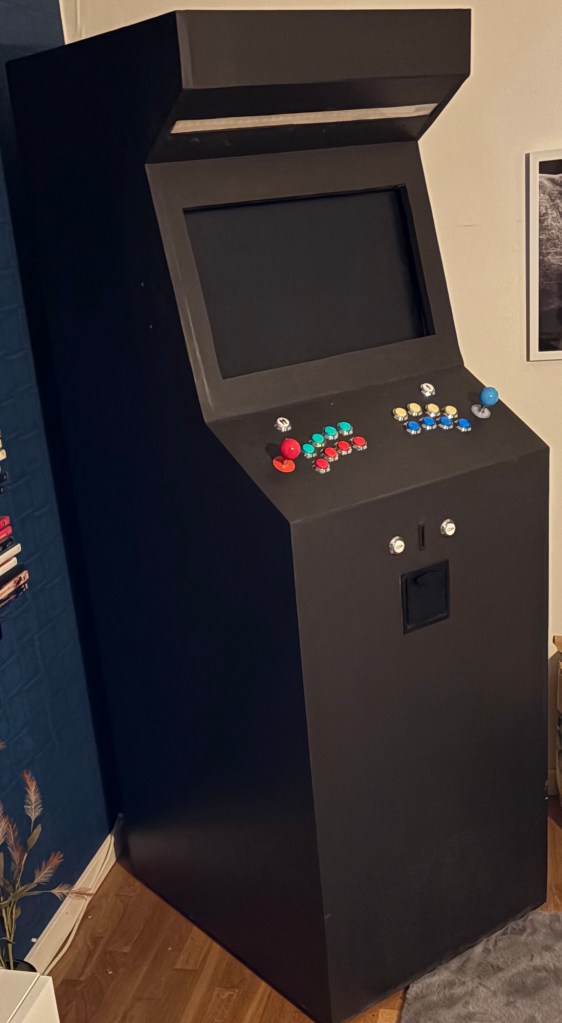
Cabinet Construction
The cabinet itself is built from MDF and designed as a full-height arcade cabinet, approximately 1.9 metres tall.
I wanted the cabinet to have the proportions and feel of a traditional arcade machine while keeping the construction relatively straightforward.
Main construction
- MDF cabinet
- Approx. 1.9 m height
- Custom control panel
- Integrated screen
- Integrated speakers
- Integrated Raspberry Pi and electronics
- Custom coin slot
Electronics
The electronics are built around a Raspberry Pi 5, which acts as the main computer for the arcade.
The overall system consists of several separate parts:
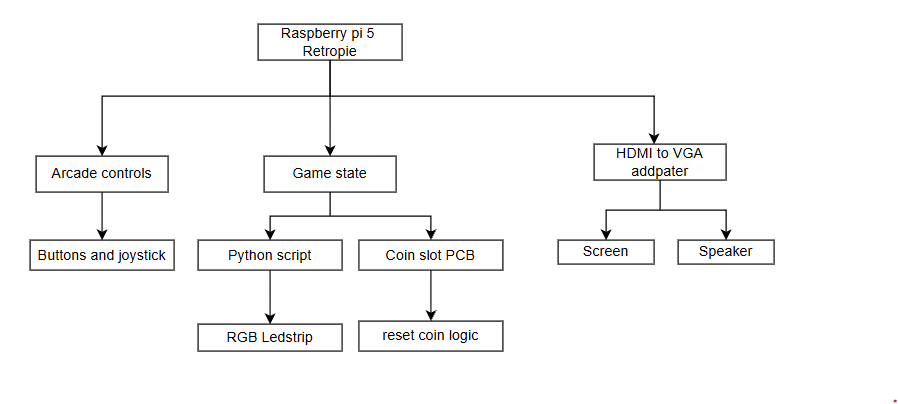
Raspberry Pi & RetroPie
The main computer is a Raspberry Pi 5 running RetroPie.
RetroPie provides the emulation environment and allows the cabinet to run games from several different classic gaming platforms.
The Raspberry Pi is also used for some of the custom functionality surrounding the arcade system, including communication with the lighting system and the arcade controls.
Coin Slot Electronics
The Arduino handles the sensor and determines when a valid coin has passed through the mechanism.
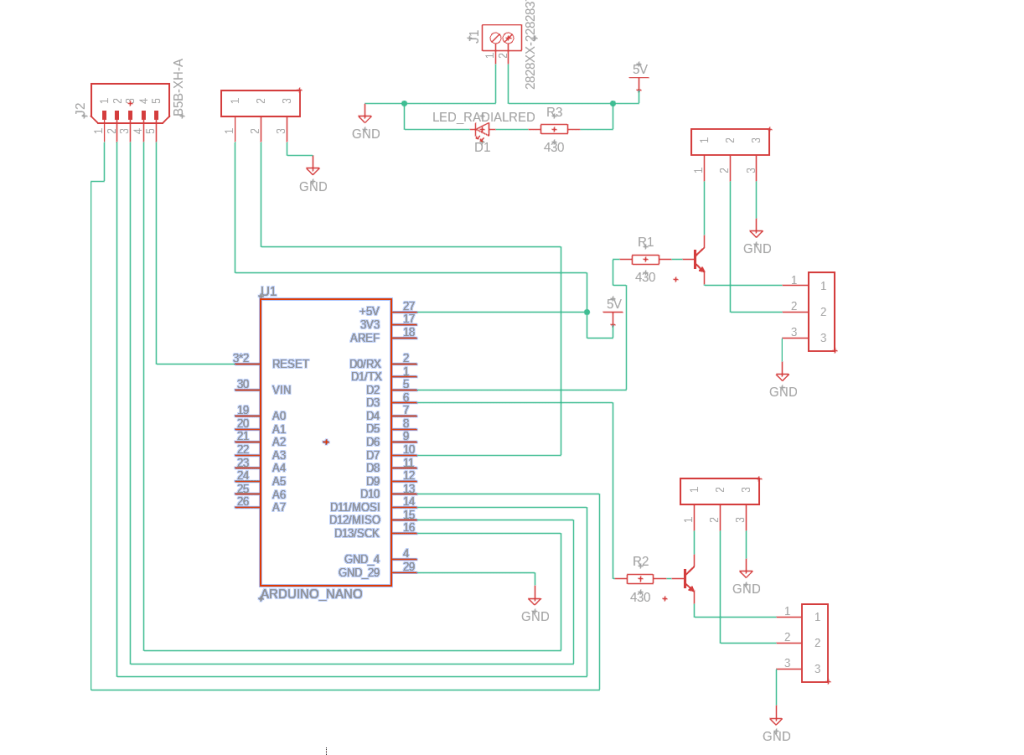
Power System
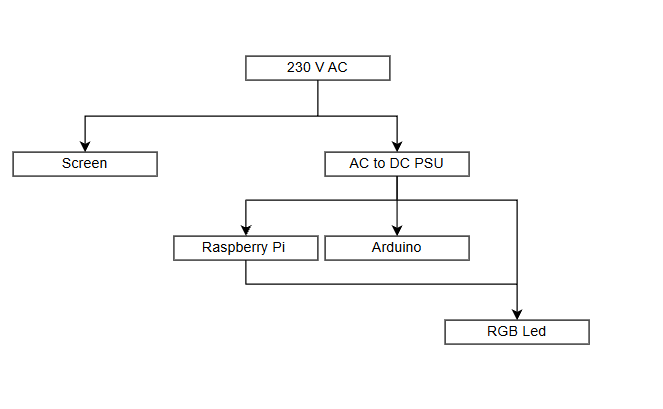
The arcade has a dedicated AC-to-DC power supply that provides 5 V DC for the electronics.
The Raspberry Pi and other 5 V electronics are powered from this supply.
The screen, however, is connected directly to 230 V AC.
 NordProtex